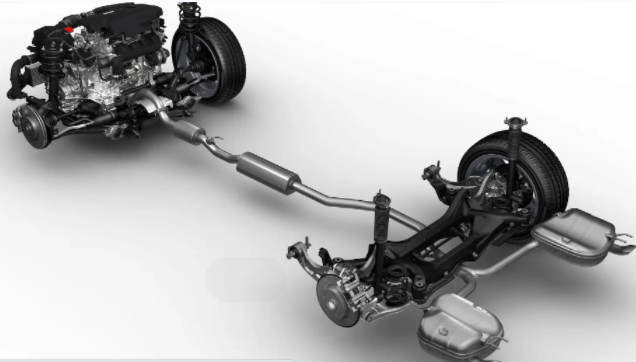
When the ball head of the chassis is worn or the ball head screw is loose, the ball head will appear open, causing the chassis to make an abnormal “clack” sound when the road is bumpy.
Solution: Tighten the bolts, replace with new connecting rods, connect ball joints, etc.
2
Control arm rubber buffer rubber aging damage
When the rubber buffer rubber of the control arm ages, cracks appear, and the buffer effect plummets. When the vehicle bumps, the chassis makes a “crack” sound.
Solution: Replace with a new swing arm buffer or a new swing arm assembly.
3
Oil leak damage to the shock absorber
When the shock absorber leaks oil, its reciprocating motion (rebound ability) is weakened, the damping effect is reduced, and the sound of “crack” or “crack” is produced when the road is bumpy.
Solution: Replace the shock absorber with a new one.
4
Aging of tower top rubber or plane bearing
When passing the speed bump, there will be a “crack” sound, and there will also be a “crunch” sound when driving in place, which may be caused by the aging of the rubber on the top of the tower or the plane bearing. You can hear the sound by turning the steering on the spot and turning the car on the roof.
Solution: Replace the new tower top rubber or plane bearing, or add grease. Some noises are caused by loose screws on the shock absorber.
5
Balance rod rubber sleeve aging
If the rubber cover of the balance bar is aged and cracked, there will be a “clack” or “crunch” abnormal sound when driving and applying the brakes.
Solution: Replace the rubber sleeve of the balance rod with a new one.



 1
1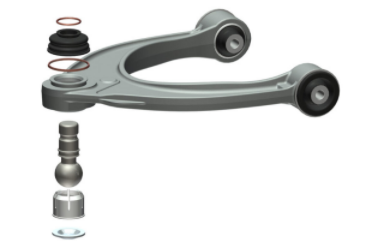
 About Automechanika Shanghai in 2022
 Saler1
  Sales Manager
 Sales Manager